David GordonStoryboard artist Check availability
01
Start anywhere

Send me
the thing.

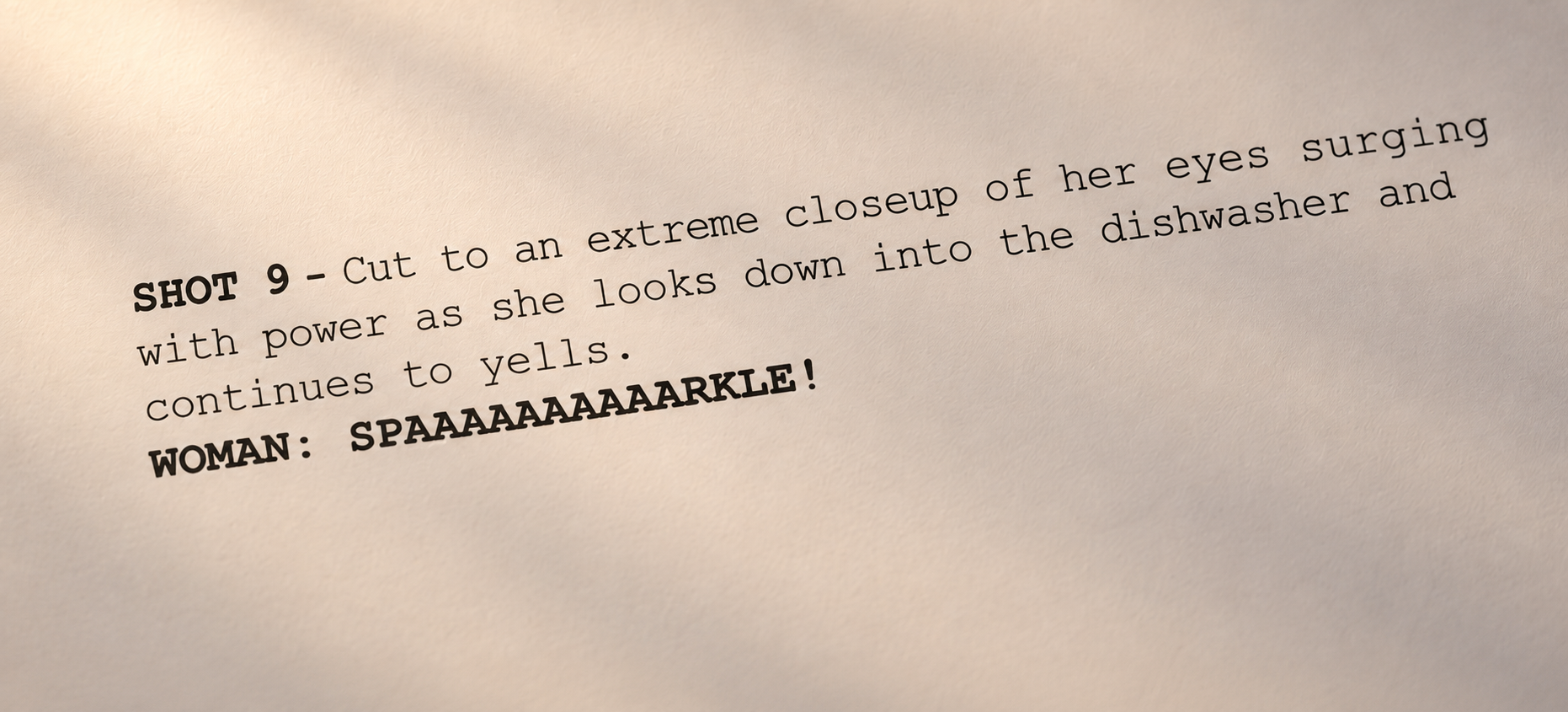
Script, deck, director treatment, existing boards, reference, napkin sketch, frantic email. I don’t need the brief to be beautiful. I need to understand what we’re making and what the boards have to accomplish.
Input / BriefDecode fast
Script / Input Bosch script excerpt used as the input for the storyboard process
02
Find the shot

Rough it
out.

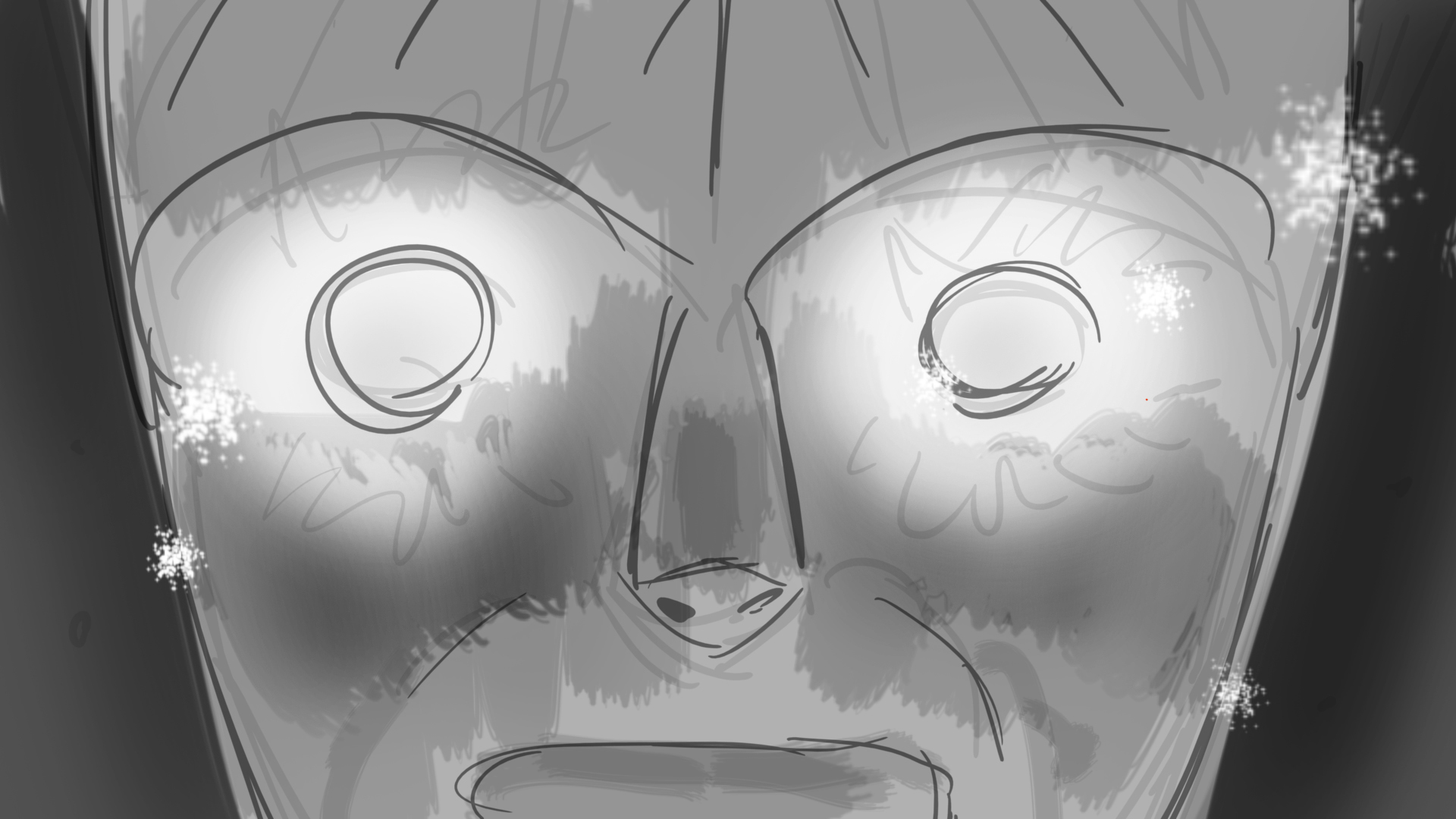
Loose drawings first. We solve composition, staging, camera, action and the joke before anybody spends time polishing the wrong idea. Roughs are where the useful thinking happens.

Roughs / ThumbnailsThink before polish
Rough / Thumbnail Rough storyboard drawing used to work out the shot
03
Everybody gets notes

Make it
better.

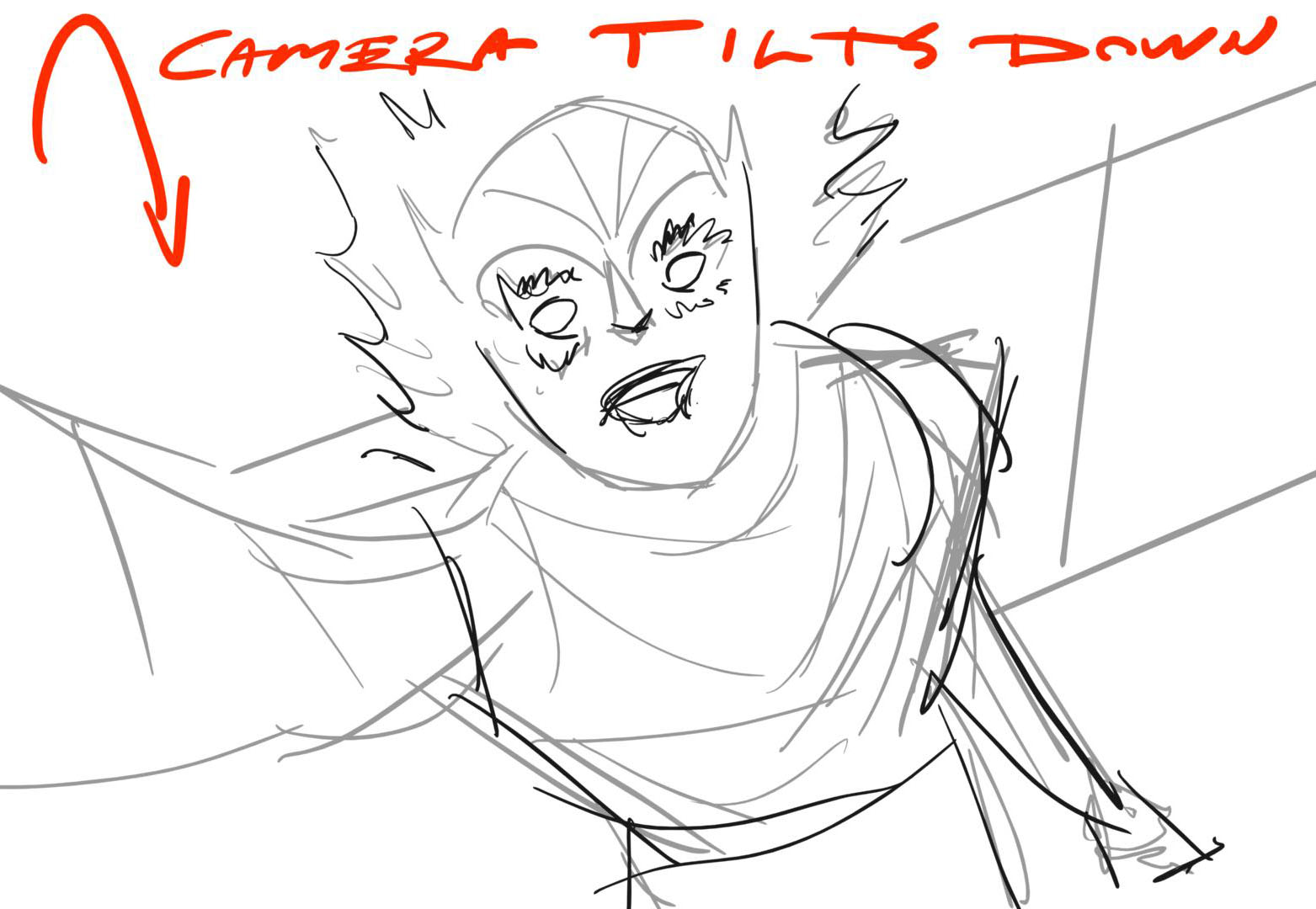
Move the camera. Change the expression. Lose the llama. Put the llama back. Notes are part of the job, and the drawings are built to survive them without the whole thing turning into archaeological reconstruction.

Notes / RevisionsFlexible by design
Revision / Refine Refined storyboard frame after notes and revision
04
Commit

Final
boards.

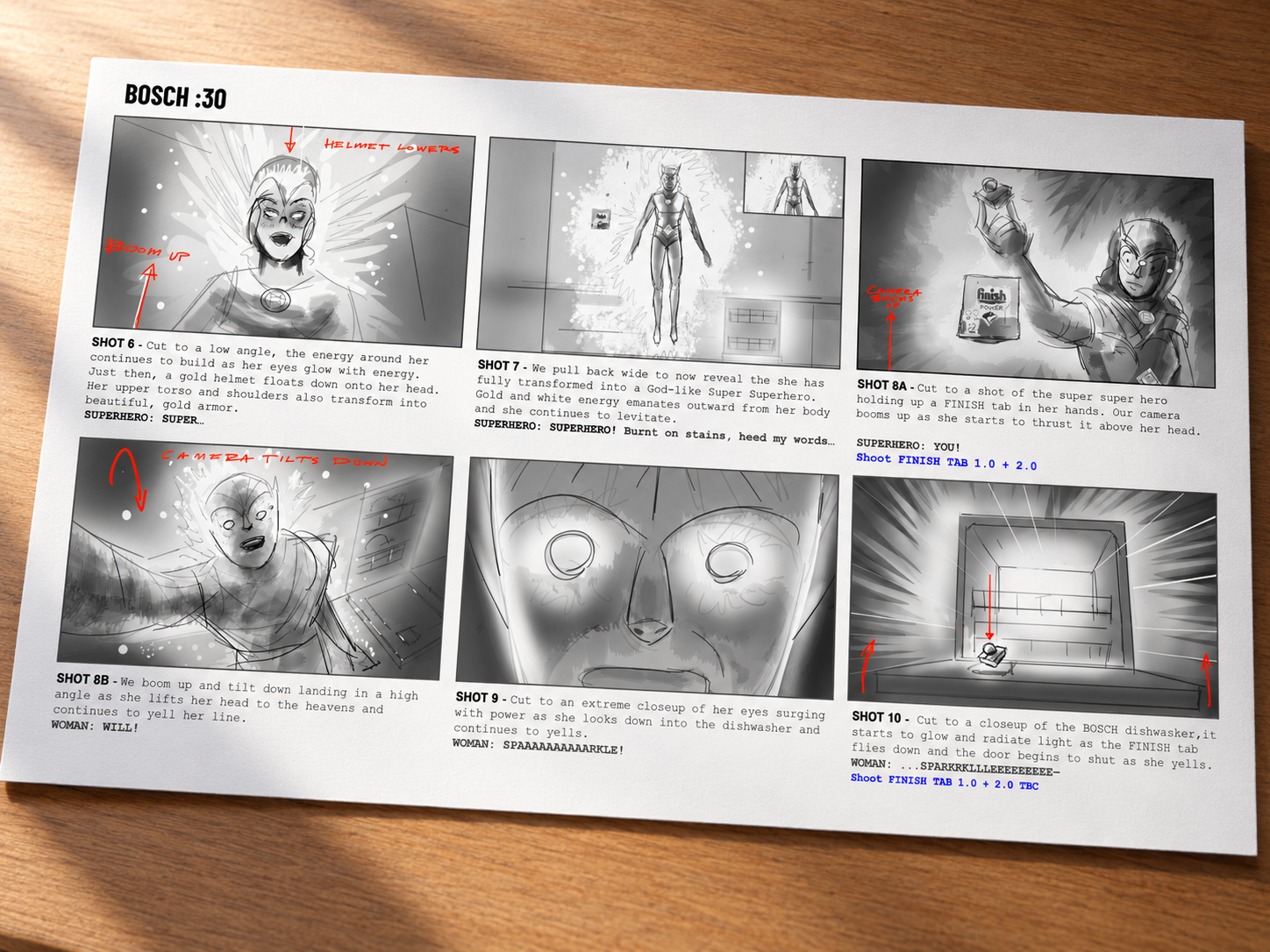
Clean enough to sell the idea. Specific enough to guide the shoot. Loose enough to stay alive. The final board should communicate instantly—even to the person who just joined the call thirty seconds ago.

Final / DeliveryClear + alive
Final Boards Final Bosch storyboard boards presented on a desk
05
Then somebody points a camera at it

Shoot it.

The best part: seeing the finished commercial and recognizing the decisions that were already there in the boards. That’s the whole point—make the spot visible before the spot exists.

Boards →︎ BroadcastEvidence
On Set / Shoot Bosch storyboard boards displayed on set during the commercial shoot
See what happened next

From board
to spot.

Finished commercials next to the drawings that helped get them there.

Board to SpotView the evidence ↗︎